Friday, December 01, 2006

Welcome

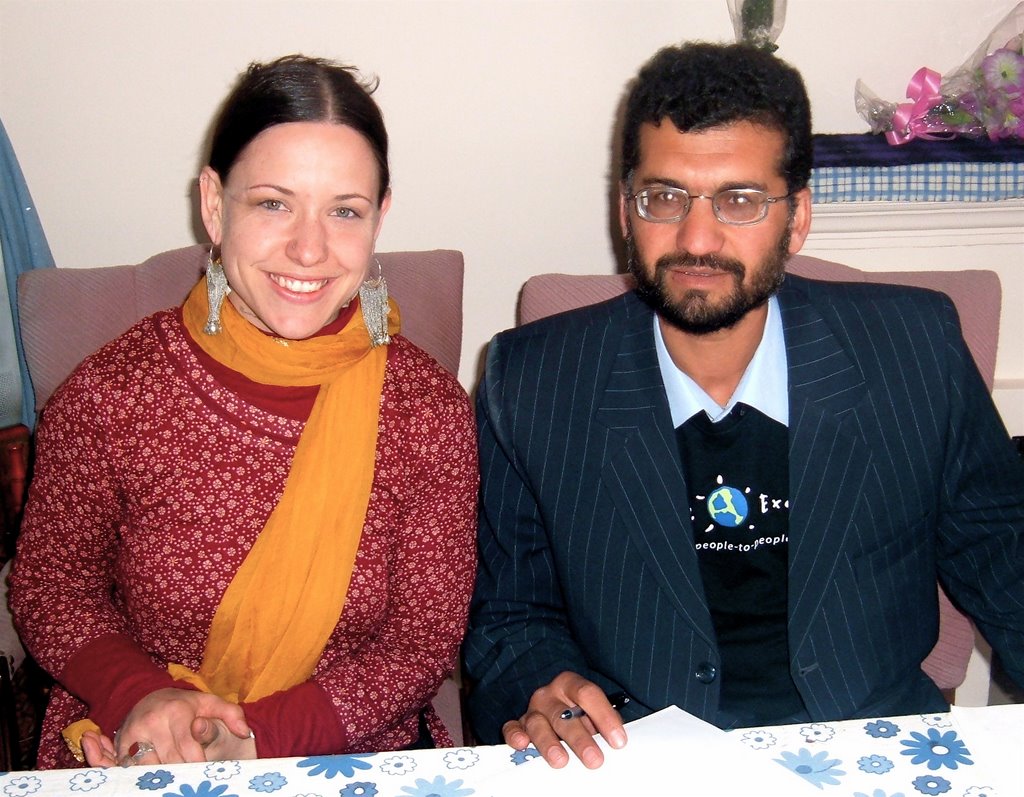
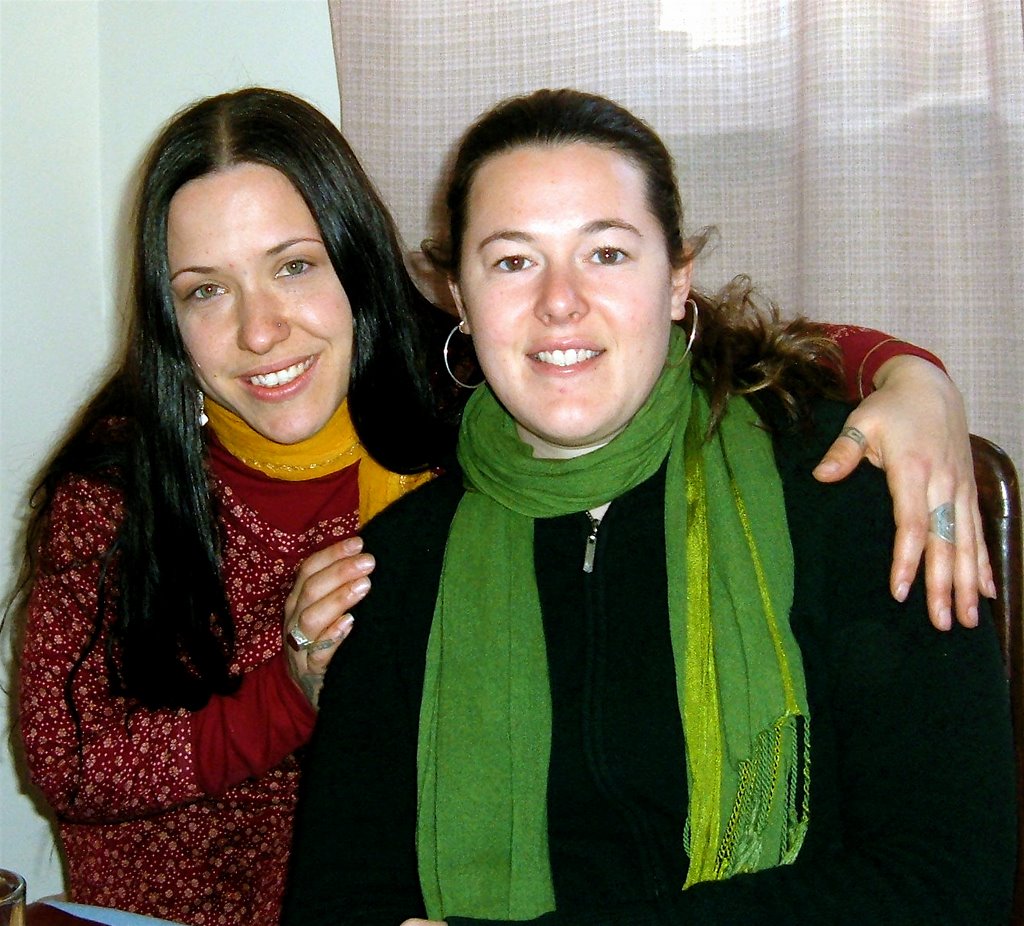
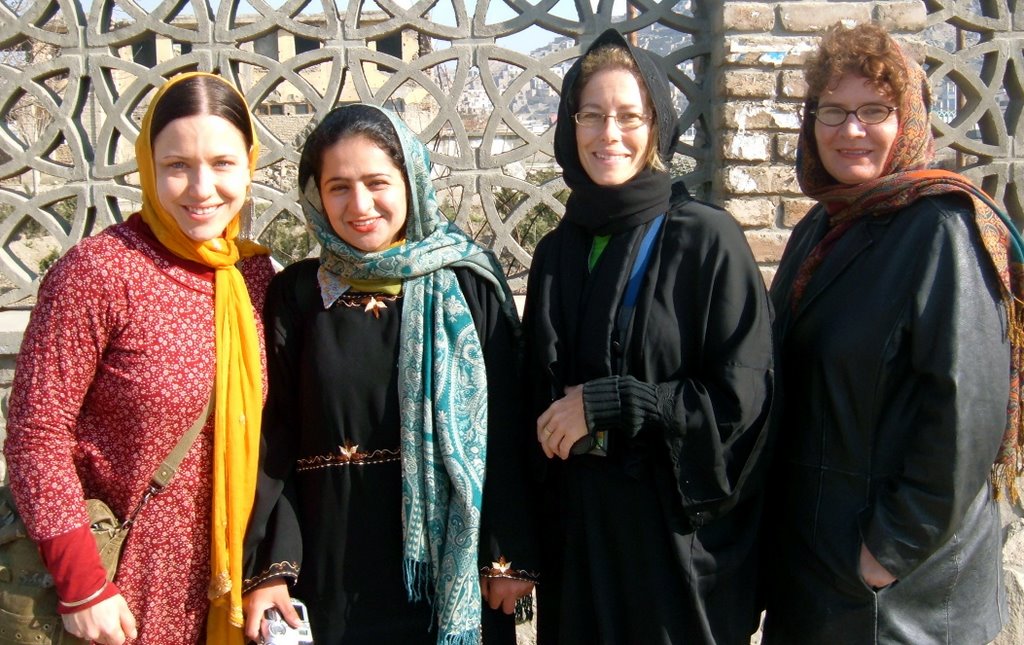
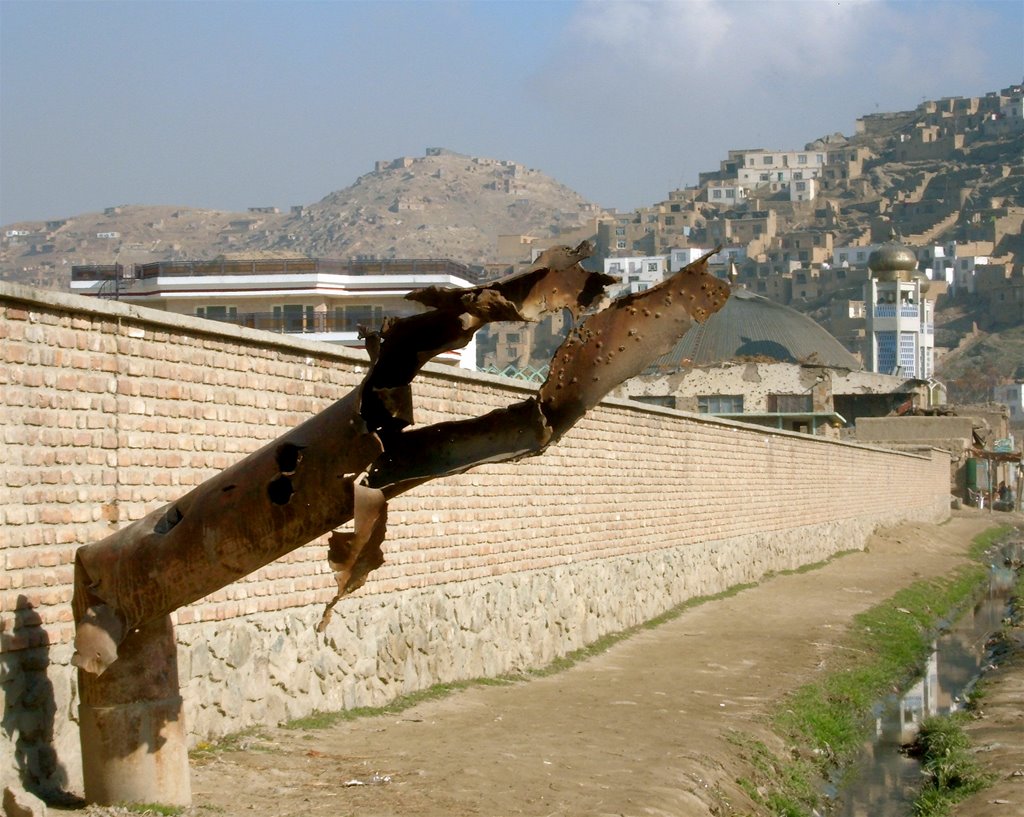
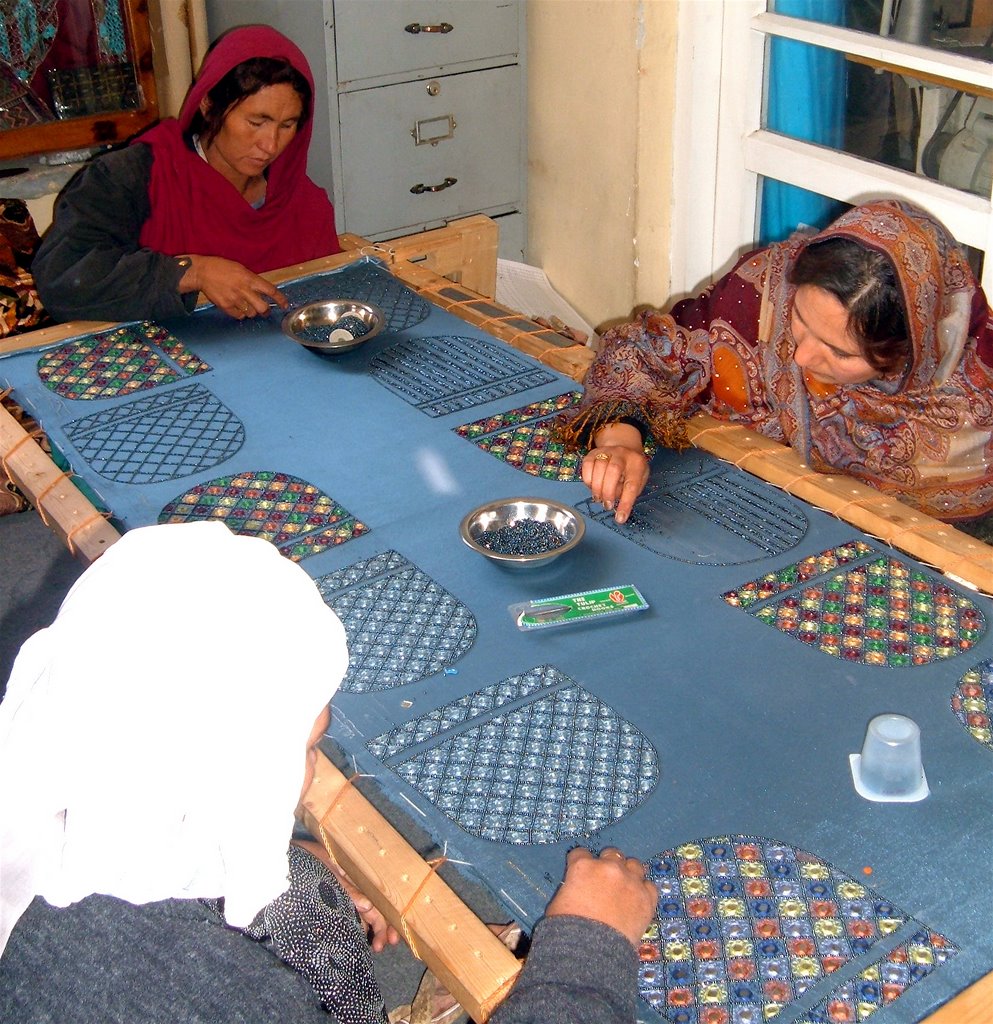
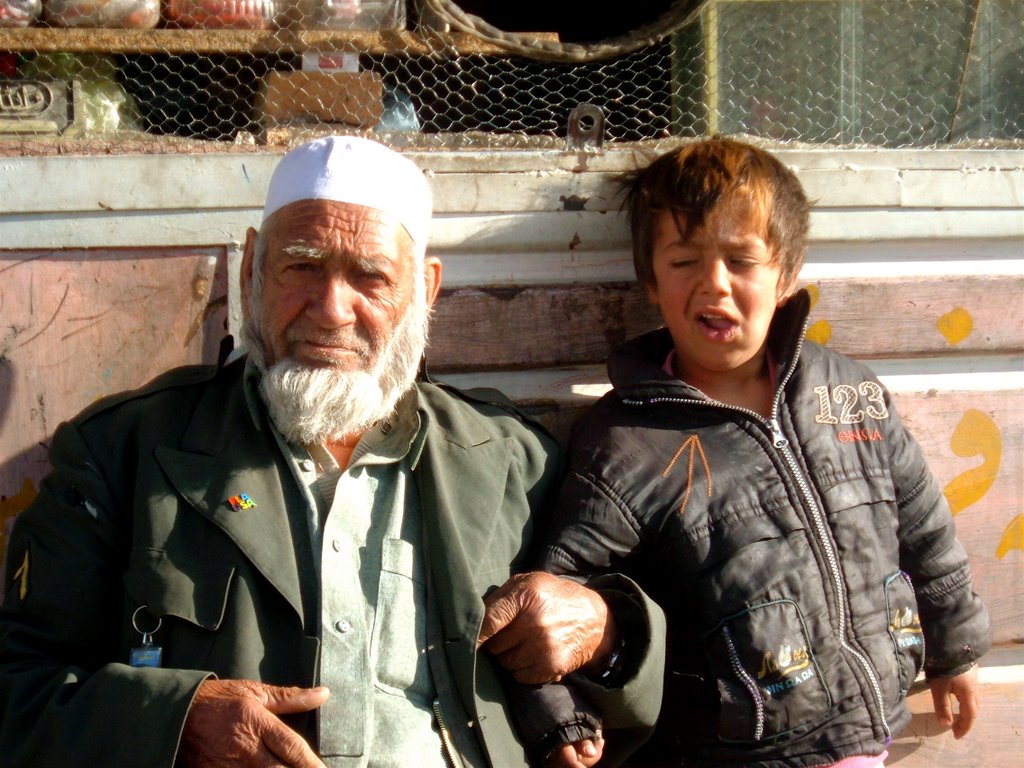
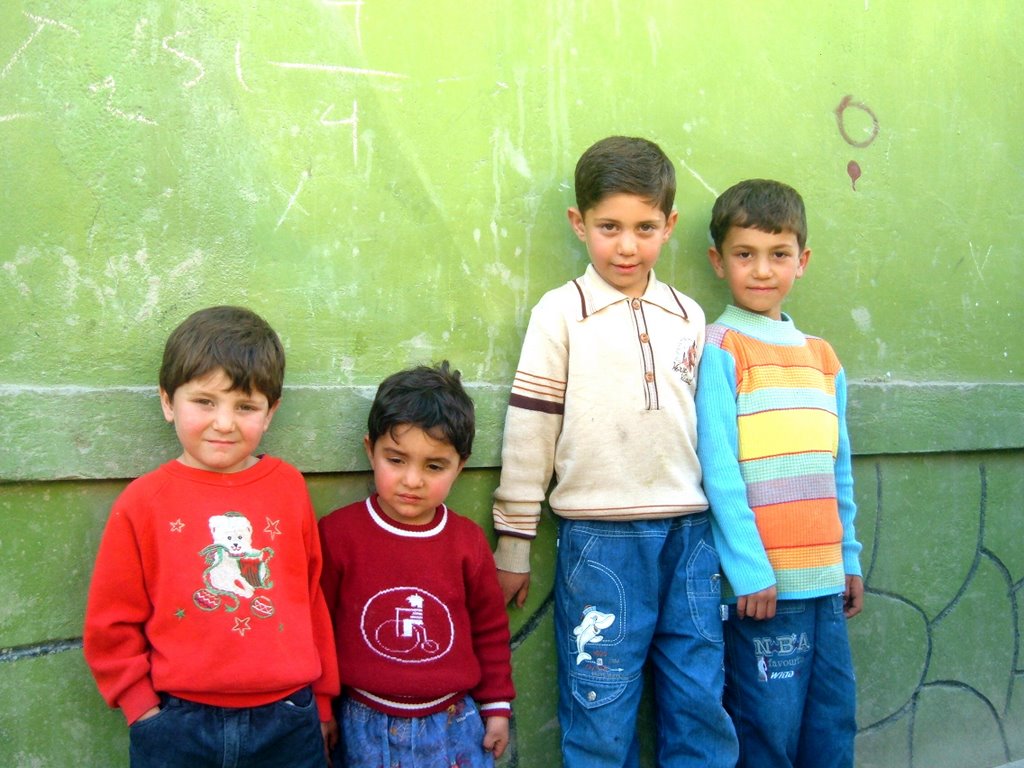
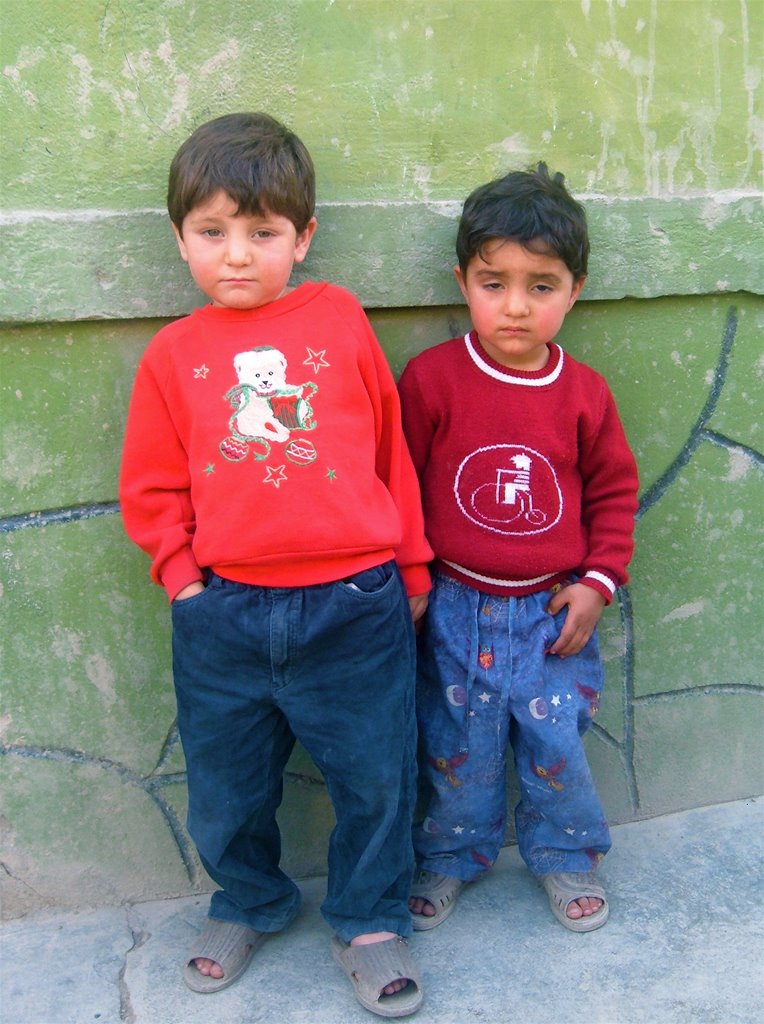
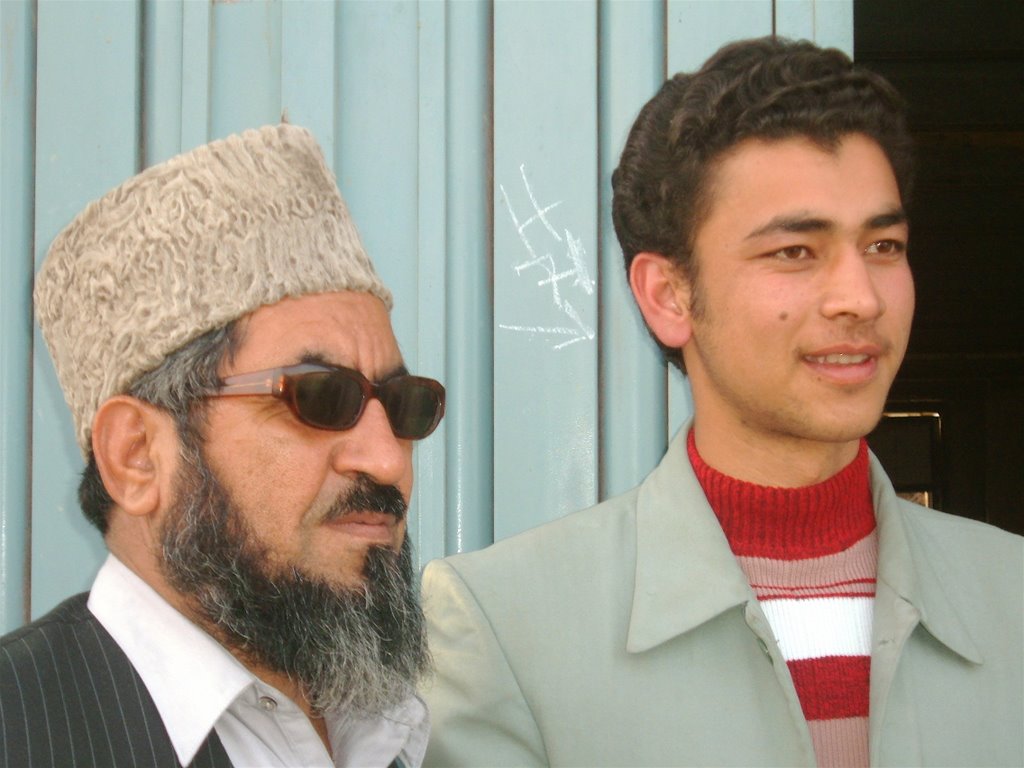
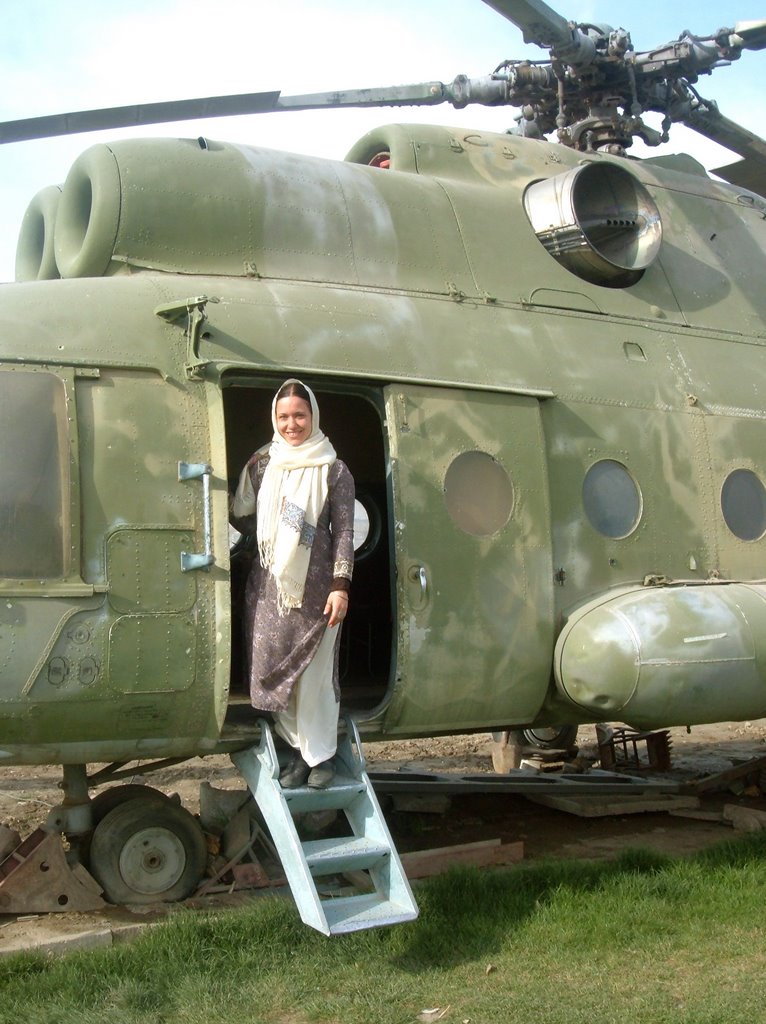
December 1, 2006: Greetings! I'd like to express my immense gratitude for visiting my blog about my trip to Afghanistan. The trip (which took place March 2006) has continued to inspire me in profound ways even still, almost nine months later. As many of you have seen, I have been updating the blog with photos and writings at a very gradual pace. I appreciate your patience with this process. I invite you to enjoy the photos and writings that I have posted thus far and to continue to check in on the blog's progress. My goal is to complete the details about the trip by the year's end (within the month). However, as my time in Afghanistan will stay with me always, my perspectives will be forever unfolding, and so this blog will always remain an evolving and growing endeavor. Please feel free to contact me with any questions and/or comments. With best wishes, Heather Rastovac. (Above photo by Kristie Mclean.)
Friday, November 24, 2006

Wednesday 3/15/06 Day Eleven (day of departure)

Writings coming soon...

Tuesday 3/14/06 Day Ten

Monday 3/13/06 Day Nine

Above photo of Gulsoma and Kristie by Saverio Sarravezza. To read more about Gulsoma's story, visit: http://www.travelpoet.com/pages/featured_story.php http://hotzone.yahoo.com/b/hotzone/blogs2986 http://news.independent.co.uk/world/asia/article357770.ece Writings coming soon...

Saturday, October 21, 2006

Sunday 3/12/06 Day Eight

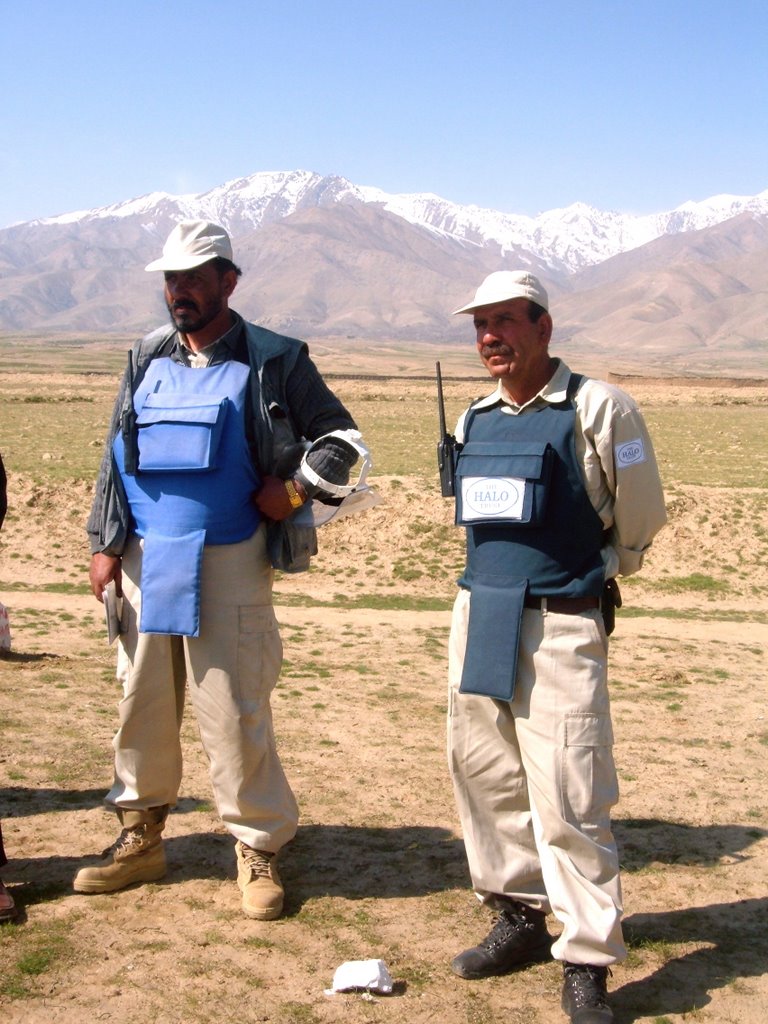
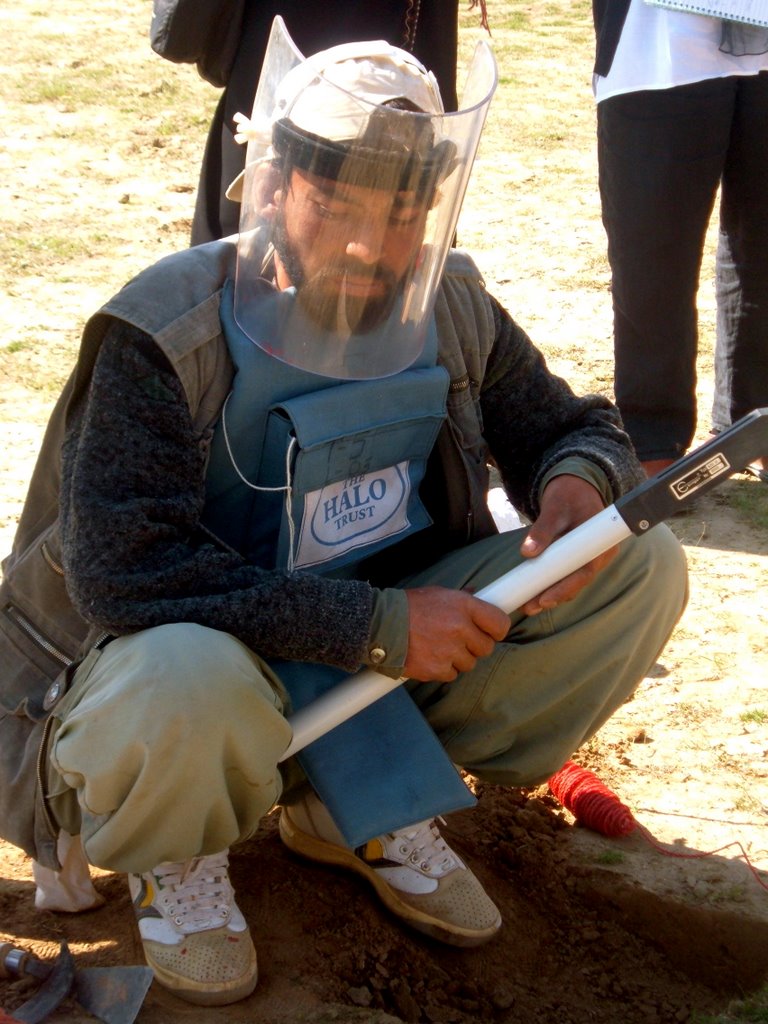
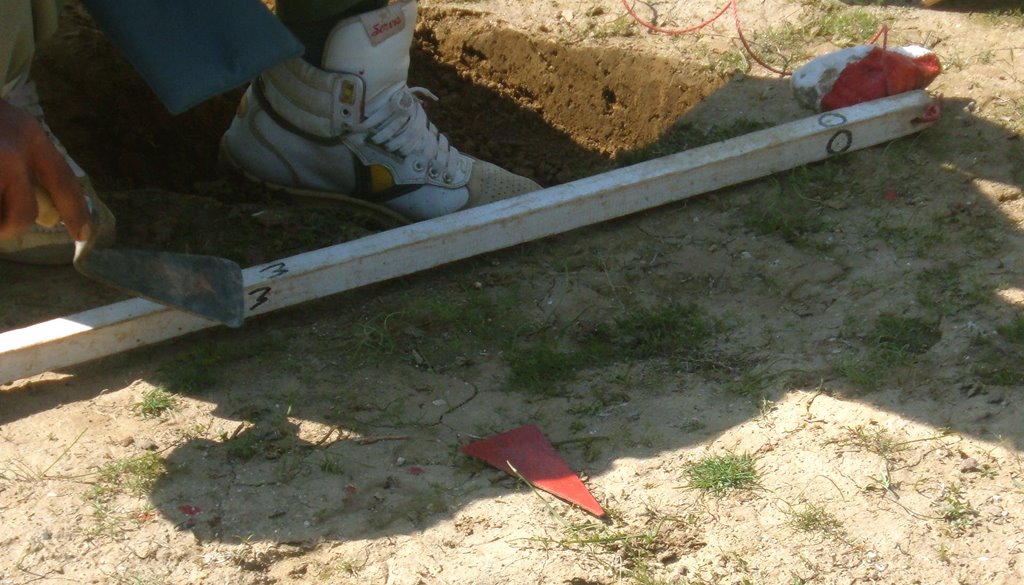
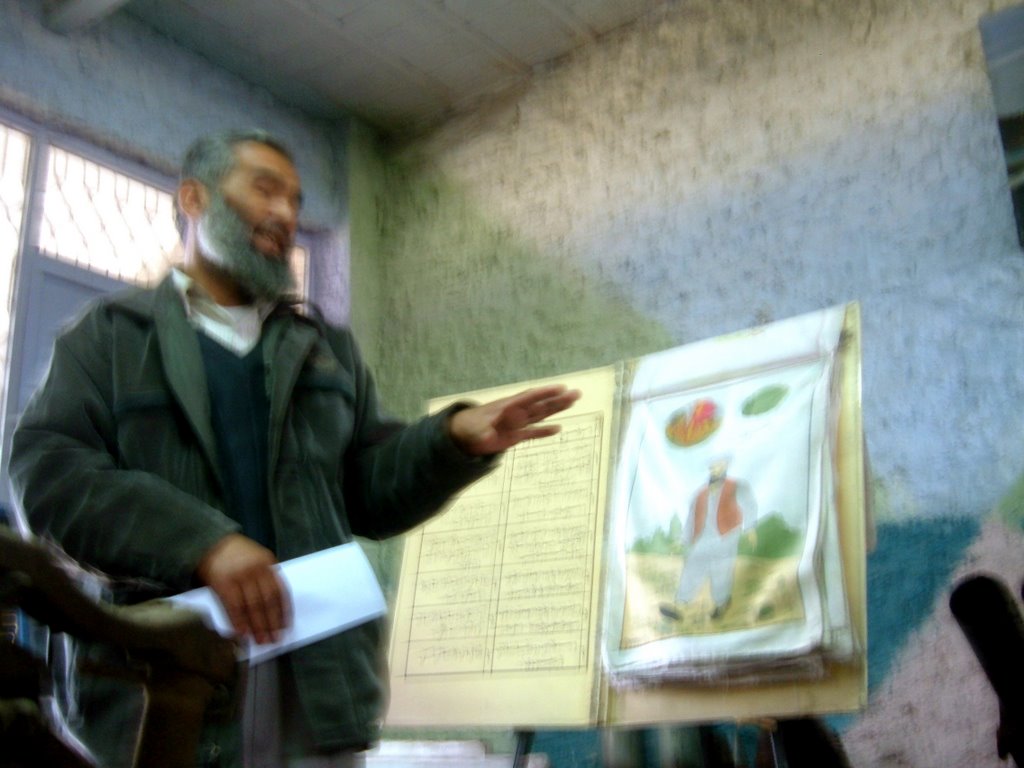
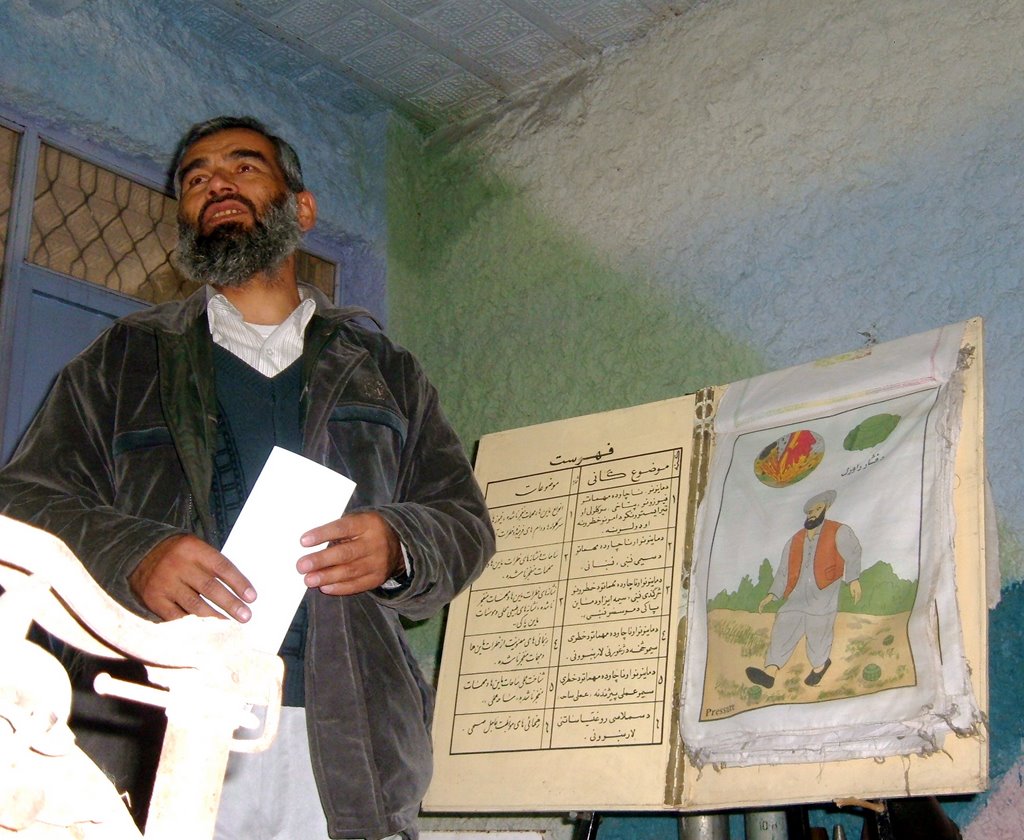
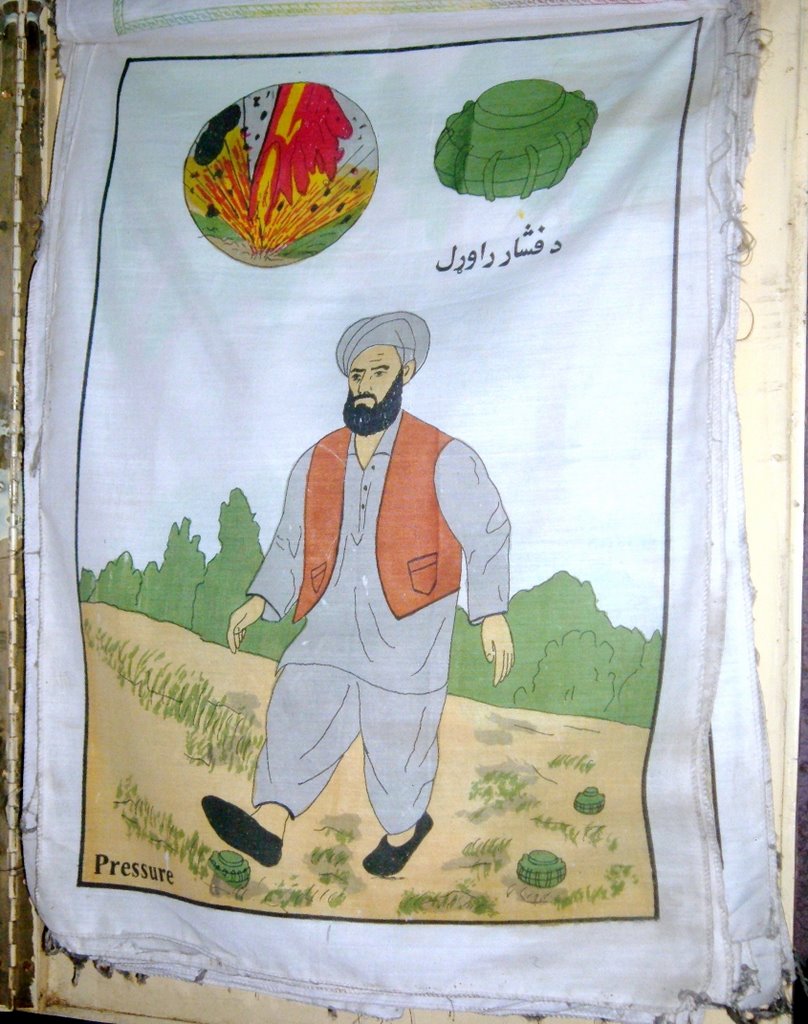
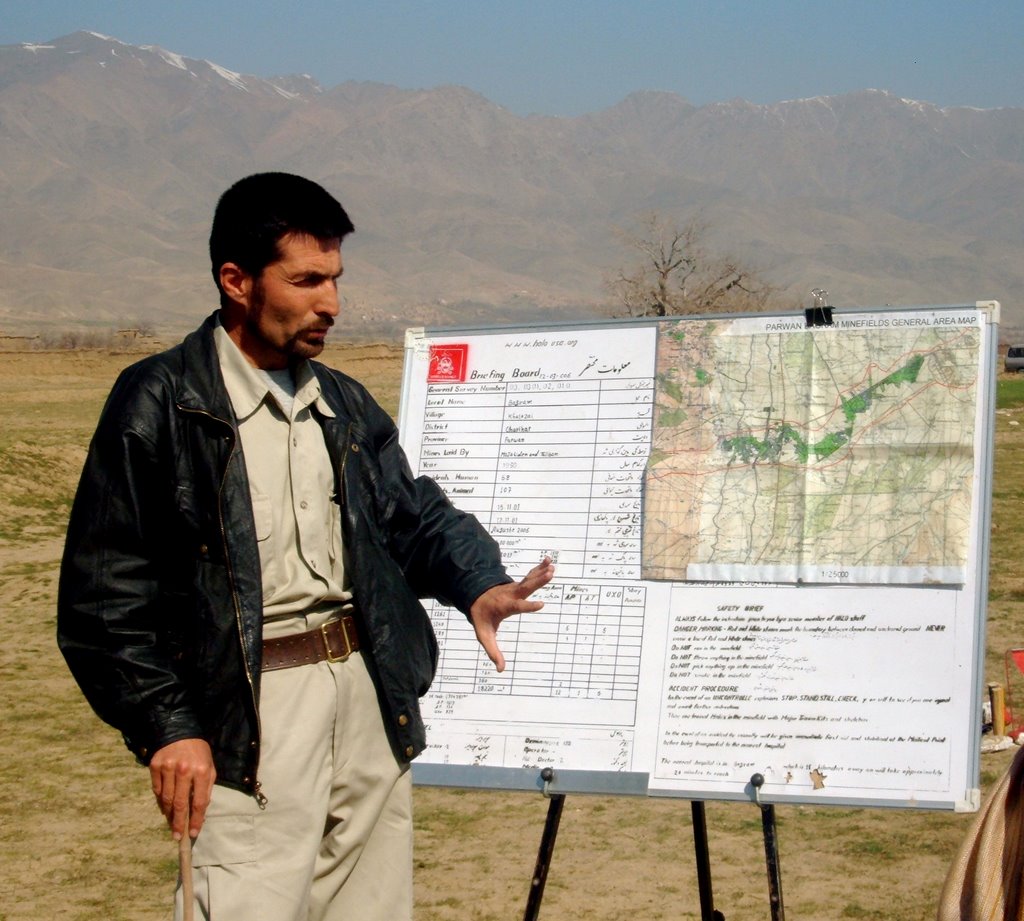
Next five photos: OMAR mine awareness program. View a recent article at: http://news.yahoo.com/s/ap/20070404/ap_on_re_as/afghan_cultural_minefield Writings coming soon...

Friday, October 20, 2006

Saturday 3/11/06 Day Seven

Writings to come soon...

Monday, October 02, 2006

Friday 3/10/06 Day Six

Writings coming soon....

Saturday, September 30, 2006

Thursday 3/9/06 Day Five

Writings to come soon.........

Saturday, September 09, 2006

Wednesday 3/8/06 International Women's Day (Day 4)

More writing coming soon......

Wednesday, June 28, 2006

The Most Beautiful Photography by Saverio Serravezza

Saverio was the only man on the delegation with eleven women. I have to say that he exhibited an immense amount of easygoingness among all of us eccentric women! From Italy, he is a freelance photographer who took the most stunning photographs of Afghan children while we were there. His ability to capture the essence of these children, many of whom I saw with my own eyes, really amazes me. You can view his photographs at http://www.serravezza.it/

Saturday, June 10, 2006

Tuesday 3/7/06 Day Three

Above and below 3 pics:Around Kabul (taken by Cordelia Persen) Below pic: International Center for Human Rights and Democratic Development event celebrating women who taught privately in their homes during Taliban Below 9 pics: A visit with the ICRC/International Center of the Red Cross Below 4 pics: A visit with the Afghanistan Commission for Human Rights (where we had the honor of speaking with a group of men from Ghazni) Our first visit this day was in response to a spontaneous invitation to an event held by Rights and Democracy: International Center for Human Rights and Democracy (a Canadian/Afghan organization - http://www.wraf.ca/ .) It was a ceremony celebrating women who risked imprisonment by holding classrooms secretly in their homes during the Taliban regime. We sat at the back of a fairly large auditorium and stayed for the first twenty minutes or so - the fact that the ceremony was (naturally) held in Dari made the novelty wear out quickly. But it was nice to show support. We attracted a lot of attention from young women sitting within our vicinity who eagerly whispered conversation with us in order to practice their English skills. Media covered the event, and later that evening, we even had a chance to see ourselves on the Kabul local news as the camera spanned the audience during the story coverage......On the brochure for the event was a quote I especially like by Martin Luther King, "Our lives begin to end the day we become silent about the things that matter."

Our next destination was the ICRC/International Center for the Red Cross Orthopedic Project. This, I must say, was one of the more intense visits of the trip (of many), which succeeded at bringing tears to my eyes. This particular center started in 1988 and has since grown to a total of six centers in Kabul and five other provinces. The project was originally intended for war wounded disabled only, but from 1995 the assistance has been extended to any kind of motor disabled, whether war wounded or non-war wounded. The project's five main activities are: Production of leg and arm prostheses; production of orthoses (splints, braces, wheelchairs, etc.); physical rehabilitation; training of local staff (in which only disabled are employed*); and social re-integration of the disabled (employment, micro-credit, education, vocational training, apprenticeship.)

* The main physical therapist that spoke with us and showed us around light-heartedly joked that some people call them discriminatory for hiring only disabled, but that the center frankly didn't care to be accused of such.

All services provided by the center are free. This particular center serves between 200 - 250 patients a day. In the past eighteen years, the ICRC has served 75,000 patients around the entire country, 38,000 of them in Kabul. 80% of amputations are due to land mine accidents.

The physical therapist we spoke with himself lost both his legs in a land mine accident at age eighteen. He came to the ICRC initially as a patient, was eventually asked to work in the center, then pursued schooling for physical therapy, and has dedicated his life to working for the ICRC ever since. He was certainly a very inspiring man.

We had a chance to tour the facility, which was interesting to me until we arrived at the rehabilitation rooms. Watching people, young and old, struggle to make seemingly painful attempts at walking just seemed too voyeuristic to me. This was the moment that I was sincerely moved to tears as I had to duck out in order to compose myself.

The final visit of the day was with the Office of Afghanistan Commission for Human Rights (ACHR - which offers legal advice, information, and aid) and one of the representatives, Mr. Lal Gul. As we approached the home where the organization was located, a group of approximately ten men wrapped in wool shawls and donned in elaborate head-wraps were getting up to leave the informal conference room. Someone in our delegation joked that we request that this group of intriguing men stay in order to converse with them. Najib, always eager to accommodate, giggled in response to the request, whimsically joined his hands together, replied "Building people-to-people ties..." (Global Exchange's motto), and went inside to inquire if the group would be willing to meet with us. The men agreed, additional chairs were brought into the room, and our delegation filled the remaining half of the room quite snugly. A few people from the organization scurried to bring tea and pastries, which were passed around within a short time. In the meantime, Najib introduced us all to Mr. Gol and the men who agreed to stay, also explaining a bit about Global Exchange and the purpose of our delegation. I was able to decipher quite quickly that Najib wasn't speaking Dari at this point, and that the group of men must be Pashto speaking. When Najib was finished, Mr. Gol shared with us, with their permission, the background and situation of the men we were meeting with, also giving the group an opportunity to ask questions. The men were apart of a tribal group from the province of Ghazni (approximately 150 kilometers from Kabul.) They had traveled to Kabul to speak with the organization to make claims against International and American military for mistreatment of people in their village, for unwarranted arrests of twenty-three people in 2003 (four of which are still imprisoned in Guatanamo Prison under accusation of Taliban involvement), and for the ransacking of money and jewelry from their homes. They also had come to speak with the organization about money issues and their village's lack of medical facilities, schools, and clean water. The dialogue with the group of men lasted about twenty minutes and ended with (of course) a request for group photos outside.

After the thankfully short photo session, the group of men departed and our delegation went back inside to speak with Mr. Gol about the organization itself. The organization was established in 1997. At the time, the Taliban were in Afghanistan and there weren't any human rights organizations running at the time. The ACHR attempted to open their office in Kabul but the Taliban prohibited them from doing so. Thus they opened their office in Pakistan and did service for thousands of Afghan refugees in exile there at the time. The organization functioned as a free legal center and provided aid and advocacy for Afghans whose primary issues were regarding mistreatment from the Pakistani government. The ACHR also worked with war-wounded civilians (many of which were wounded during US bombing on Taliban), providing blood donations, food and clothing. In 2002, the organization moved it's office to Kabul, and continue to provide free legal aid, focusing on a wide range of issues such as children's rights, women's rights and prisoner's rights.

Monday 3/6/06 Day Two (Part 2)

Above pic: A site in the city
Below 2 pics: A theatrical play in honor of International Women's Day
Below pic: A visit with the Marzia Basel, founder/director of AWJA women judges association

Below pics: A visit with Suraya Parleka of the All Afghan Women Union

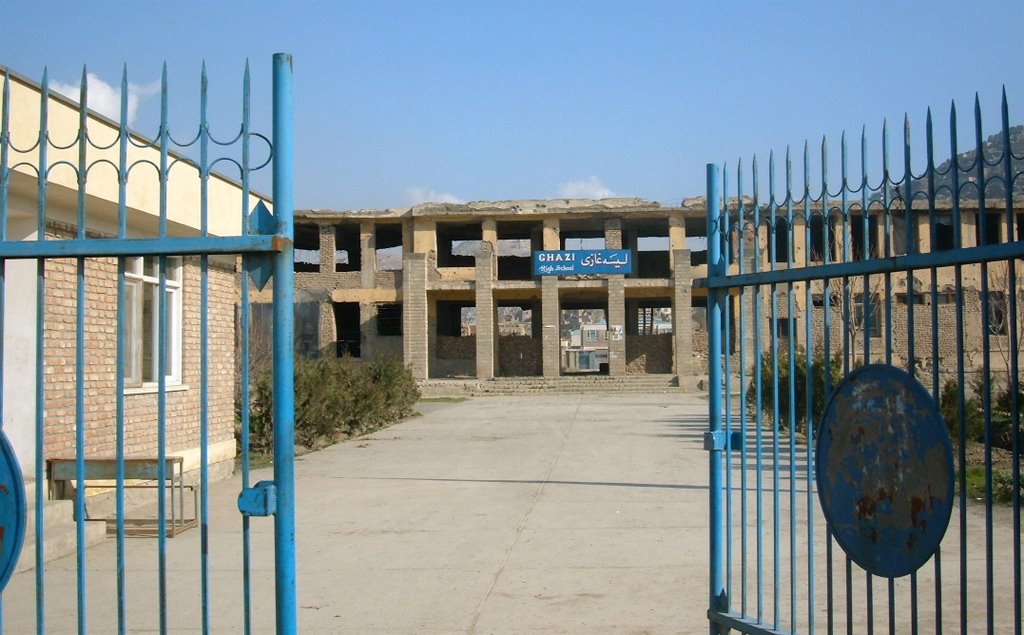
After our visit with PARWAZ, our vans headed back into the center of town toward a high school that was holding an International Women's Day event and where we would be meeting with Marzia Basel, the founder and director of the Afghan Women Judges Association "AWJA." She greeted us outside of the high school and invited us to come inside and enjoy the theatrical play that was about to begin. Big banners donned the school and the auditorium, honoring women and International Women's Day in both English and Dari. In fact, these banners were first of many that I would see all over the city of Kabul. I was pleasantly surprised by the amount of these banners around town, primarily because of the lack of such banners in the places of which I have lived - in the 'progressive' West, where I embarrassingly had never even heard of International Women's Day until discovering the "Women Making Change" Global Exchange delegation online last winter. My delight in and pondering of this irony only continued to increase throughout the week as I would observe just how celebrated International Women's Day is for many Afghans in Kabul.

The twelve of us were led to the two rows toward the back of the small high school auditorium. The audience was full of Afghan women, men and families, many of whom cast curious glances our way. The play began shortly after - the lights dimmed and the curtains opened, presenting to us a woman dressed in black kneeling on the stage with tied ropes hanging off of her body. Though the play was in Dari, I was able to understand a bit in addition to the evident themes of the play. One by one, male characters entered the stage and presented a dialogue. Over time, it became obvious that these men represented her father, her brother, her husband and her sons - some of them stern, some of the sarcastic, all of them accusatory and yelling, "Zan!Zan!" (Woman! Woman!) pulling on the ropes attached to her body and throwing black peices of cloth over her head. All the while, the kneeled woman remained dignified despite her obvious emotional suffering (well acted, I must add.) After the succession of these men, rows of children entered the stage carrying signs in Dari. Unfortunately I wasn't able to decipher much of the meaning of the writing, but it was quite clear that these children symbolized a certain hope for the future in regards to the status and appreciation of women in society. I must admit that I was quite moved and tears welled up in my eyes (but then again, it really doesn't take much for me to become touched emotionally.)

We were beckoned back into the lobby before the end of the play, much to my dismay as I was really beginning to get sucked into the narrative. But Marzia Basel was waiting to speak with us and it was an honor to speak with such a dignified woman as her. Our meeting with her was slightly rushed, however, and as I refer to my journal notes now, three months after returning, I find that only a few sentences were written in regards to our meeting with her. Ms. Basel, who used to work for the United Nations, is the founder and the director of the Afghan Women Judges Association/AWJA.

"Marzia Basel has both extensive training and experience in international relations, women in development, and law. After receiving her Bachelor's in Law and Political Science from Kabul University in 1985, she was employed as a judge in both civil and criminal courts in Kabul and later served in The Supreme Court Legal Aid Department and the Kabul Public Security Court. During the years of 1996-2001 in which the Taliban ruled Afghanistan, Basel ran a private, home-based school for women where she designed programming and taught English. Since the fall of the Taliban, she has been very active in state reconstruction serving on the Kabul Public Security Court , acting as a representative for the establishment of the Independent Afghan Judicial Commission, and acting as an officer for the Emergency Loya Jirga Commission. She has also been integral to women's mobilization in reconstruction working for the Afghan Women Development Association as Director, the Afghan Women Judges Association as Director, UNIFEM Afghanistan as a Gender Justice Officer, and acting on the Afghan Constitution Commission in a unit for women in the election process. An accomplished and knowledgeable woman, she has attended and spoken at various international conferences including the "Women in Post-Conflict Situations" in Tokyo Japan, "Women and Gender Equality" in Paris, France, and "The Muslim Women in the World Conference," Berlin, Germany. Most recently, Basel has received her Master's in International Law from George Washington University." (Found at: http://www.mershon.ohio-state.edu/Events/05-06events/afghanwomen/afghanbios.htm)

An article written about Marzia Basel can be found at: http://www.entango.com/Clients/News/Articles/WashPost-EduDev.html

After our visit with Ms. Basel, we made way to our first lunch out on the town. After our initial day, all lunches would be enjoyed at restaurants in the city. Upon arriving at our destination, it became obvious that the first restaurant we would be eating at was owned by a relative of Davud, one of our drivers. We would come to find out that Davud's relatives were quite the business men and owned at least a few of the businesses around Chicken Street (a Kabul "strip" with restaurants and handicraft shops.) Our delegation was led inside and up a stairway to a pleasant, well decorated little place. We were given a room of our own and immediately waiters were at work pushing the numerous tables together to make one long table to accommodate us all.

This first lunch at a restaurant presented one of the first hurdle of traveling in a large group (particularly of Westerners) - were we going to eat individual meals or share "family" style? In my experience of eating among non-Westerners (in the United States and abroad,) it is often somewhat of an odd notion to order and eat individual meals, not to mention the challenge it poses to the servers when taking orders for sixteen people. With only a minor amount of displeasure from a couple delegation members, we concluded we would eat family style, which would be the case for the majority of our time in Kabul. In time, we all agreed on cucumber salads, rice (made in the delicious, traditional Afghan way - raisins and steamed peeled carrots,) kebab, and naan. It was at this point we learned that the Bird Flu Virus had made its way into Afghanistan and Afghans were advised against eating any chicken products. Many of the group still insisted that they wanted chicken kebab in spite of this and our Afghan friends at the table politely refused to eat any when it was passed their way. Fortunately, I have yet to hear of any of our delegation coming down with the Bird Flu Virus upon returning home. : )

Only one more visit was to be made after lunch that day. Our vans headed toward a neighborhood we had yet to see as we proceeded to visit Suraya Parleka, the founder of the All Afghan Women's Union. Like all of our visits, we were sat at a large table and served pastries and chai. We went around the table and introduced ourselves and it was at this point that I finally felt brave enough to introduce myself in Farsi. The two official languages spoken in Afghanistan are Dari and Pashtun. Dari is the local name used for the Persian language in Afghanistan. (Dari (also called Gabri or Yazdi) is the name used by Zoroastrians to refer to the Northwestern Iranian language they speak. It is also the name of the Persian language in classical Persian poetry.... wikipedia.org.) Though there are certain differences between Farsi taught in the university, as well as the Persian spoken by Iranians, I was able to understand and communicate a considerable amount. And as usual, it is always received with an immense amount of enthusiasm and appreciation upon trying.

Suraya didn't speak a significant amount of English so Najib translated for her. Her depth and seriousness reflected in her voice and gestures, however, as she spoke about the history of and her involvement with the organization, as well as stories from her own personal life. In 1965, Suraya was a student of Economics at the University of Kabul where she was actively involved with the Women's Democratic Association student group. At the time, the Constitution of Afghanistan enabled women to vote and work for Parliament, yet a law existed prohibiting Afghan women from traveling outside of Afghanistan, even with mahram (a male relative.) Suraya, along with several other women from the Association, lobbied at the Parliament for fifty days, becoming instrumental in the eradication of this law.

Because of her activism, Suraya and six other women were imprisoned for a year and a half in the late 1980's in which many of them experienced torture such as cigarette burns, electrical shocks and pulling out of nails. A regime change in 1991 led to their release and it was at that time that the All Afghan Women's Union was established, with Suraya elected as the director. The association began advocating for women's rights, working to establish day cares at work places and six-month leaves of absence for new mothers, as well as lobbying for new laws preventing men from taking a second wife. Civil war between several different Mujahideen groups began in 1992, however, making their work immensely difficult among such warfare. Women were targeted by some of the more fundamental groups and violence against women increased (often a tactic during times of war.)

Throughout civil war and the Taliban regime, Suraya remained in Afghanistan and continued her work with the All Afghan Women's Union, mainly in secret. During the Taliban regime, the organization helped establish thousands of secret home courses for girls. Suraya reflected upon how, oftentimes, the wives of Taliban, once hearing their husbands speak about making raids on certain houses they suspected were holding such classes, would secretly send letters to these women in order to warn them of the raids ahead of time.

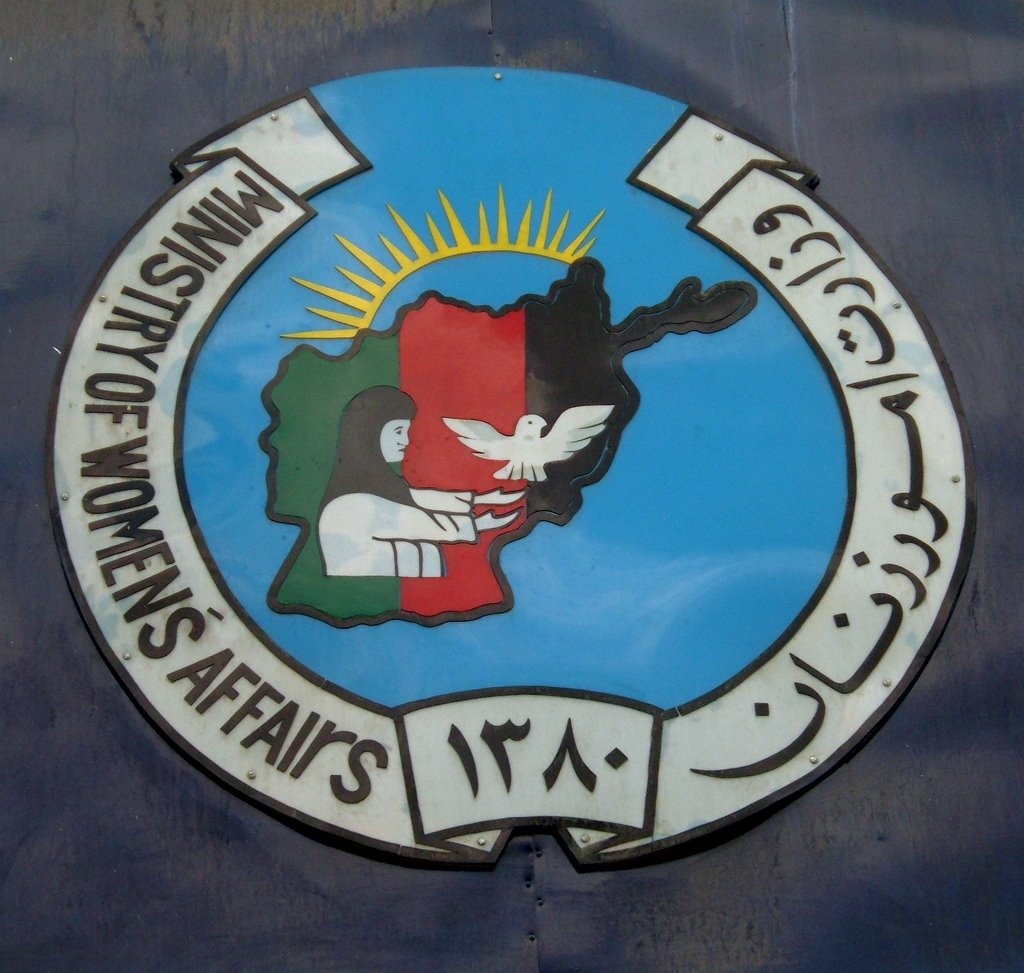
On speaking about the current status of women in Afghanistan since the fall of the Taliban regime, Suraya feels that the new changes for women are more symbolic than they are reality, and the laws in the new constitution regarding women's rights aren't necessarily practical. She criticized the work of the newly established Ministry of Women's Affairs for inefficient use of governmental funding. At this point, Suraya and the All Afghan Womens Union aren't having to do their work in secret and include training women in craft making, job placement and literacy courses. However, Suraya still continues to be a target of harassment for her activism, yet she remains completely dedicated to her work.

Wednesday, April 12, 2006

The Children of Afghanistan

The following photos were shared generously by Cordelia Persen, another participant on the delegation...

Monday 3/6/06 Day Two (Part 1)

Above pic: A view in the city...
Below pic: Two of the staff at PARWAZ...

As soon as my head hit the pillow at 8:30 Sunday night, I slept straight until 6:00 AM Monday morning. I continued to rest, cuddled under my fuzzy blankets, until breakfast was served inside at 7:00. Awaiting us was a spread of fresh bread (nan), honey, black cherry jam, 'happy cow' cheese, and green and black chai.

If I am endowed with one cultural marker as a Seattleite, it is my addiction to coffee - and not just any coffee, but quality, strong, dark roasted coffee (preferably fair trade, of course!) I had a strong sense beforehand that Nescafe Instant coffee was what would be available for us at the guesthouse, and thus the 'emergency/luxury' item I allowed myself to bring was a Ziplock bag of my own ground coffee and a travel mini-french press. Fortunately I had packed my coffee 'emergency pack' in my carry-on backpack - so even though I didn't have a change of clothes (since my luggage had not arrived), I at least had my coffee and as far as I was concerned, that was all I needed!! Recovering from jetlag would have been far more difficult without it. If there is one memory that the other delegation participants and those working at the guesthouse have of me, I would be willing to guess that it is an image of me in the mornings, groggy-eyed with mini-french press in hand, imbibing my strong brew as if it were life itself!

In time, we all piled into the vans and head out into the city to meet with our first organization - PARWAZ.
PARWAZ, a Dari word meaning 'to rise' or 'to fly', is the first women-led grassroots microfinance institution established in 2003 in Afghanistan by Afghans for Afghans. PARWAZ provides financial services in the form of credit and savings to disadvantaged and poor women to start micro-businesses (tailors, carpets, hair salons, agriculture, etc.) PARWAZ is based on the belief that women's long-term success in society is dependent upon self-reliance and economic empowerment. If you would like more information about PARWAZ, please visit their website at www.parwaz.org.
Our first visit with PARWAZ was a fine first example of the visits with organizations we would meet during our time in Kabul. Our vans parked outside the building that housed PARWAZ and Najib knocked on the tall white gate. A male guard opened the gate for us and led us inside. A warm, slightly mild-mannered yet very professional woman named Zamina greeted us and led us into a comfortable conference room where we all sat at a large enough table to accommodate our entire delegation of twelve, as well as Najib, Naqibullah, Zamina and Roya (pictured above) of PARWAZ. After a hospitable serving of chai and pastries, Zamina and Roya introduced themselves and the organization, both of them very adept at speaking English. After their introductions, we had the opportunity to ask our own questions. The majority of what we learned can be found at the above website (so as not to be redundant, as well as save myself from extra typing :). One of the delegation members inquired if it was common for the husbands of the women starting their own businesses and receiving loans from PARWAZ to object or oppose to their wives working outside of the home. Zamina and Roya explained that some of the women are still choosing to run their businesses out of their homes (while some are not) for various reasons such as reducing business costs (not having to rent retail space) and for the convenience of caring for family, children, etc. But for the women who have chosen to run businesses outside of the home, Zamina and Roya said that they have yet to hear of an opposition from the husbands. My own personal speculations in regards to this matter (though based off of very little experience) is this: Many in the West have yet another erroneous image of Afghan women and/or Muslim women as being completely locked up in their homes under the domination of their husbands. While women were lawfully prohibited from leaving their homes without a male relative during the Taliban regime, and while it may be the case for a certain percentage of women to face opposition from their husbands, I had a sense that due to the economic strife that Afghanistan faces today, a good majority of men and women have a sense of what is necessary to support themselves and their families - women starting their own businesses and working outside of the home as being one of them. Another inquiry was in regards to who was employed at PAWAZ itself. According to Zamina and Roya, there are 28 women working at PARWAZ and one male guard, one male driver and one male manager (very matriarchal!)....

Sunday, April 02, 2006

Brief Chronology of Afghanistan's Political Past

I didn't even realize the extent of my ignorance pertaining to Afghanistan's political past until I went to Kabul. Like most Westerners, I had been inundated with images propelled by Western media portraying Taliban and burkas - oppressive symbols that would come to define Afghanistan in much of the Western psyche. But I discovered that the complexity of the Afghan situation and political history goes so much deeper. The Taliban, as oppressive as that regime was, was merely one of the many factors that have caused suffering and unrest in Afghanistan over the past 25 years. Thus, for one to even begin to understand the scope of Afghanistan's wounds, one must look beyond these erroneous, demarcating images of Western media and consider the duration of Afghanistan's political strife......
The following chronology is published in My Forbidden Face - Growing up Under the Taliban: A Young Woman's Story written by a woman using the pen name Latifa written with the collaboration of Shekeba Hachemi:
1919: The Declaration of independence of Afghanistan. 1921: The Treaty of Kabul marks the end of British interference in Afghan affairs. 1933-1973: The reign of Mohammed Zahir Shah. 1959: Women are no longer required to wear the veil. 1964: Women obtain the right to vote. 1965: The first parliamentary elections. 1973: The monarchy is overthrown by Mohammed Daoud, who establishes the first Republic of Afghanistan and serves as its president. 1978: A coup d'etat installs the second republic, a Communist regime, led by President Noor Mohammed Taraki and Prime Minister Hafizullah Amin. Reforms imposed on Afghan society, which remains conservatively traditional, lead to popular uprisings and the rise of Islamic movements, which destabilize the government. 1979: Soviet troops invade. The mujahideen organize their resistance and begin a guerilla war against the Afghan army - which fight under the aegis of the Soviet army - that will last ten years. The successive presidencies of Babrak Karmal (1979-1986) and Dr. Mohammed Najibullah (1986-1992)[Made president by the Soviets, M. Najibullah was an Afghan Communist who remained in power until he was ousted by the mujihadeen.] April 1988: The United States, the U.S.S.R., Pakistan and the government in Kabul sign a UN-sponsored agreement in Geneva setting up a timetable for the withdrawal of Soviet forces from Afghanistan. 1989: The last of the Soviet troops are evacuated from Afghanistan. 1989: The beginning of the civil war among mujahideen forces of different ethnic backgrounds; the principle antagonists will be the Pastun Gulbuddin Hekmatyar and the Tajik Ahmed Shah Massoud. [A notoriously ruthless warlord, Hekmatyar first came to the attention of the West as a student at Kabul University in the 1960's, when he led a militant Islamic student group that threw acid in the faces of unveiled women students. Massoud would later become the leader of the Northern Alliance, a loose coalition of ethnic minority political parties - mostly Tajiks, Uzbeks, Hezaras - that will oppose the Taliban.] March 1992: General Massoud takes control of the northern provinces. April 1992: General Massoud's mujahideen capture Kabul. Sibghatullah Mojadeddi serves as President of the Islamic State of Afghanistan until June, when he is succeeded by Burhanuddin Rabanni. [Rabanni was the nominal head of the Afghan government-in-exile recognized by the United Nations.] Civil war flares up again, this time between forces of General massoud and Islamic extremists supported by Pakistan. The Taliban achieve their first successes in the south with the capture of Kandahar in 1994. September 1995: The Taliban take Herat (the main city in Western Afghanistan.) September 1996: The Taliban take Jalalabad and Kabul. 1997-1998: The Taliban continue their advances north. The city of Mazar-i-Sharif changes hands several times, finally falling into the hands of the Taliban in August 1998. General Massoud retreats to his home territory in the Panshir Valley and remains the sole effective opponent of the Taliban regime.[The Panshir Valley is an impregnable natural fortress that stretches southwest from northern Afghanistan to the Shamali Plain just north of Kabul.] September 9, 2001: Ahmed Shah Massoud is the victim of an assassination plot; his death is officially confirmed on Sept. 13. September 11, 2001: The World Trade Center in New York City and the Pentagon in Washington D.C. are attacked by terrorists in hijacked commercial airlines. The hijackers are believed to be members of Osama bin Laden's Al-Queda organization. October 7, 2001: United States and Britain lead bombing offensive against Al-Queda. November 9, 2001: After a month-long American campaign of bombing, the Northern Alliance regains control of Mazar-i-Sharif. November 13, 2001: The Taliban abandon Kabul overnight; forces of the Northern Alliance enter Kabul. December 22, 2001: Hamid Karzai is sworn in as the leader of an interim government, as agreed in talks held in Bonn, Germany earlier that month. The coalition is endorsed by Mohammed Zahir Shah, and its thirty members include representatives of several Afghan factions. Karzai is the first person to take power in Afghanistan peacefully in thirty years.

Saturday, April 01, 2006

Sunday 3/5/06 Day One (part 4)

Above and below pics: Vegetable market/money changing market...
Above pic: Stall selling steaming garbanzo beans...
Above and below pics: Park overlooking the city...
The aroma of our first scrumptious lunch drifted from the kitchen as we began to settle into what would be our home for the upcoming ten days. We briefly met our cooks, two men with kind faces and an older woman with silver hair tinted orange with henna peeking from under her headscarf. After introductions, they politely ducked back into the kitchen to finish preparing our welcoming lunch.
Since lunch would still take another half hour, Najib decided to begin our orientation. We all sat around the cozy floor cushions in the living room as we were served a choice of green tea (chai sabzi) or black tea (chai siah), bowls of pistachios and the most heavenly yellow raisins that one could ever savor. With orientation packets in hand, Najib began with the subject of security; an issue of main concern for many on the delegation, as well as the main concern for probably all of our families and friends. Najib insisted right away that he didn't believe the security in Kabul to be as bad as the international news portrayed it to be. He continued to say that there is indeed violence still happening in other provinces, particularly in the south, like Kandahar. But Kabul is relatively secure, partly due to the strong military presence in the city. None the less, Najib asserted that as a group, we would still need to take precautionary measures by making sure that no individuals strayed from the group while out in the city and by getting the group back to the guesthouse by sun down.
The other issue that Najib addressed was that of electricity. He explained that the residents of Kabul were, at this point in time, granted electricity only every other day from 4:00 PM to midnight. The only buildings exempt from this were important Ministry/governmental offices. He said, however, that the guesthouse had applied with the Ministry for the ability to have 24 hours of electricity for the ten days that we were to be there and that the application had been approved. But, Najib continued, nothing is totally reliable and he insisted generously that he hoped the approval would manifest. As an alternative, however, the guesthouse has a generator that would be used as back up. In addition to my immense appreciation that they went to such measures, I honestly felt that the application for 24 hours of electricity was unnecessary and extravagant in relation to the state of the country, but then realized the pressure of having to please Westerners who are accustomed to such privileges. And if there is one adjective to describe Afghans, it would be 'hospitable'- most are extremely eager to accommodate guests. As the week proceeded, we would come to find out that despite the Ministry approval, our guesthouse didn't get electricity for 24 hours of every day. This didn't phase me or some of the other participants in the least bit. I was sad to see, however, that there were a few who couldn't contain their complaints and inflexibility over this matter.
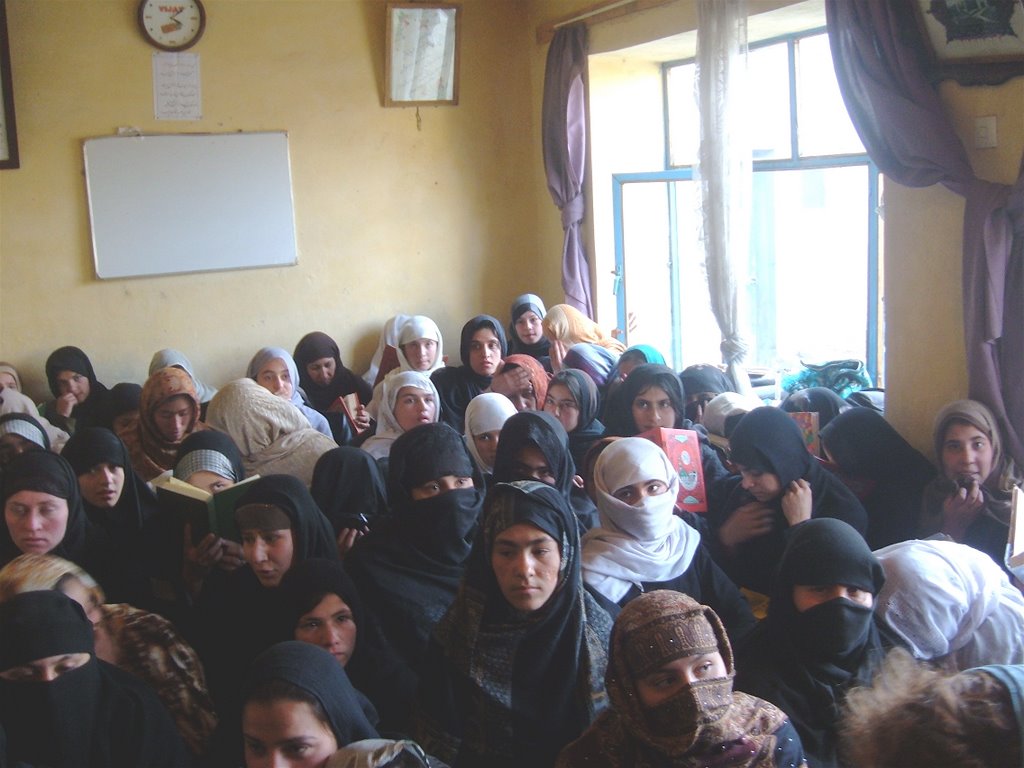
After addressing the electricity issue, Najib began to speak about the trip itinerary and the organizations we would be meeting. The remainder of our time was packed full of meetings with Afghan individuals and organizations from 8:00 AM - 4:00 PM every day, including two short trips to villages immediately outside of Kabul. It was going to be an incredible and busy ten days.
After the orientation, our first Afghan lunch was served. Ohhhhhhhhh yummmmm. There was the most delectable home made bread in existence - a flat bread about an inch and a half thick made into long, oval pieces. Brown rice with plump raisins and shredded carrots steamed in mounds. Stews made of tender lamb and luscious, spiced tomato broths..... Yes, I am a big fan of traditional cuisine - every meal was a treat for me..... After our delicious lunch, we piled back into our vans to make a short excursion into town in order to exchange money and visit a park that overlooks the city. A trip back into the center of town gave opportunity to confirm the fact that yes, indeed, we are in Afghanistan, as well as the opportunity to further observe the social and physical landscape of Kabul.
Elliot reflects in An Unexpected Light, "I had seen photographs of Kabul in guidebooks from the 1960's and the sights had hardly changed. Years of conflict had paralyzed the hand of modernization. In the side streets time's touch was lighter. The roads grew more dusty; here shops and homes made from mud brick and timber bore the neglect less visibly than modern buildings. Shrouded women carried water in earthen vases and venerable, turbaned shepherds prodded their flocks forward at a timeless pace. Spice sellers sat between multicoloured mounds or weighed out flour and grain on scales balanced with stones, and at the butchers' stalls men hacked with iron axes at carcasses on wooden stumps polished and gently concave from years of use, and laid out severed heads in long rows like the grisly trophies of medieval conflicts."
In a short time, we arrived to where we would be changing our money from US dollar to the Afghan currency, the Afghani. We didn't arrive at a bank or even a building housing an official money changing business. We were dealing with the black market here. Our vans stopped on a street alongside a bustling vegetable market. Naqibullah, who was sitting in the front passenger seat, turned and asked for the money we wanted changed. Najib suggested that we would only need to change $100 US dollars for the basics of what we would need during our time there (daily lunch in the city, etc.) After the six of us in our van handed Naqibullah our money, he hopped out with $600 in his pocket. All the while as we waited, we were surrounded by the sites of locals haggling the equivalent of pennies for vegetables. The scene felt strange and somewhat unsettling for me as it served as a potent reminder of our privilege, recalling having read that civil servants in Afghanistan earn only $40 US dollars a month.
Naqibullah returned within minutes and our vans were off once again.....
Within a few more minutes, we turned down a street that began to incline. The street was lined with tall pine trees and stalls selling steaming garbanzo beans. Eventually we arrive at the end of the road at the top of the cliff overlooking the city and we all step out of the vans. The air was clean and crisp and the view was amazing. The atmosphere was serene in contrast to the animation of the city center. It was our first opportunity to put into perspective the fascinating layout of the city and see the tiny houses built into the side of the mountains. We stayed for approximately 15 minutes before making the 15-minute trek back to the guesthouse. Once back, we all spent the rest of the evening settling in, eating dinner and ending our evening early. I passed out by 8:00 PM. I had no doubt I'd be able to sleep until morning, in which our incredible time meeting organizations would begin.

Photos by Kristie McLean

"Once snared, as you so well know, one never fully leaves; a portion of one's heart is forever woven into the fabric of that place." Jason Elliot speaks of Afghanistan in An Unexpected Light. These are two photos taken (and copyright) by Kristie McLean, another woman from Seattle who also attended the delegation.

Monday, March 27, 2006

Afghans 4 Tomorrow Guesthouse (Day 1 Part 3)

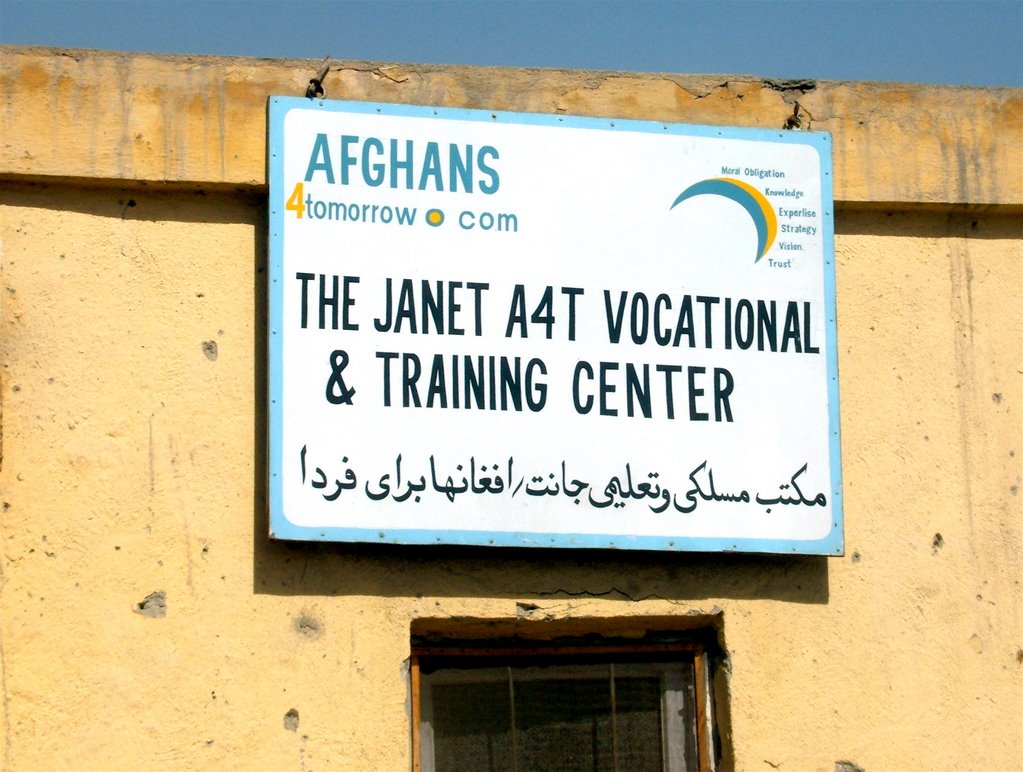
Above pic: Sign in front of guesthouse. To learn more about Afghans 4 Tomorrow, visit their website www.afghans4tomorrow.com

Above pic: A view of our mornings piling into our vans.

Above pic: The back yard of the guesthouse on a later sunny day.

Above pic: This was the little building that Ceanna and I took a room in.

Above pic: The back yard view from the guesthouse.

Above pic: One of our dining room tables with (l to r) Ceanna, Nancy and Tracy. Notice the little window leading to the kitchen.

Above pic: The little window leading from the dining room to the kitchen and one of our wonderful cooks.

Above pic: The other dining room table with scrumptious food and (l to r) Kristie, Patty and Jen.

Below pic: Naqibullah relaxing in the guesthouse's living room.

Within 25 minutes, we arrived at the Afghans 4 Tomorrow Guesthouse.The neighborhood is modest and consists of local people. I instantly loved this fact (I later find out that because of security issues, many foreign governmental and NGO workers are confined to their compounds and have little access to being among the community). The guesthouse is certainly the nicest building on the unpaved street - in fact, one of the few buildings fully intact. Even the buildings immediately surrounding the guesthouse are either completely in ruin or under reconstruction. The guesthouse is also very secure with high gates and barbed wire. Once inside the gate, it is very comfortable and welcoming. There is a large backyard with fledgling rose bushes planted in neat rows. The inside of the building is simple yet very comfortable - a large living room done up in the Afghan style of cushions and a low table, a dining room and an upstairs with four bedrooms and a bathroom. Around back, there is another small building with two bedrooms and a bathrooom. Ceanna and I took one of these rooms, which was a nice retreat from the crowd. All in all, I was very at ease and felt very at home.

Sunday 3/5/06 Day One (part 2)

The weather was grey, wet and chilly. I believe the dim weather made the first sights of the city look especially dismal as our van traveled along the streets of Kabul toward our guesthouse - crumbled buildings, twisted electrical posts, strong local and international military presence, barricades and soldiers protecting government buildings and embassies. Yet it was evident from this first drive through the city that life went on like normal for the Afghans on the street. The center of town is home to a myriad of small businesses and stalls selling bare essentials - homemade bread (made in very inviting, little bakeries), vegetables, women's clothing, hardware equipment and fresh meat (with entire skinned cows hanging brazenly). Even the humblest of structures donned fairly new, brightly painted signs advertising their businesses - both in Dari and English. Indian movie posters were pasted onto walls. Brightly colored Afghan wedding dresses hung in store windows. It was amazing for me to consider that so many of these things re-emerged only within the past four years since the fall of the Taliban. I was entering territory where the simplest of things were perhaps of extreme significance and value - color, laughter, women wearing nailpolish, posters with images of faces, music floating out of someone's car. The thought brought to me the wonder of a child appreciating life's simple beauties..... The men and women on the street donned big wool shawls to protect themselves from the chilly drizzle. Many men wore the loose shalwar cameez and either white caps, brown woolen "Massoud" caps or material draped into a bit of a turban. Most of the women wore long coats over loose pants and a casual headscarf. I would suggest that only about 1/3 of the women still wear the sky blue burka (though no longer lawfully enforced), some of them in a very casual manner (pulled back over their heads exposing their faces)..... Like I've already mentioned, my first impression of Afghans (an impression that only continued to strengthen throughout my time in Afghanistan) was how amazingly active they are. Even on this rainy day, men and young boys were busy shoveling piles of rubble and hammering away to rebuild destroyed structures. Everyone on the street was busy doing something. You could feel the energy that there was almost a quarter of a century to make up for and people were determined to not waste a single moment. As Jason Elliot observes of Kabul in the 1990's in his book, An Unexpected Light, "Everywhere there was an infectious enthusiasm for life, and we felt richer for it."..... As we had the opportunity to meet with many Afghan people and Afghan organizations engaged in the various reconstruction efforts, I came to compare the people to an ember - a profoundly patient ember that was not extinguished by the endless years of suffering and various wars. This ember seemed just to be waiting for that moment of fresh breath in order to ignite. And it seemed that as soon as Afghans were given that slight breeze of hope and change only a mere 4 1/2 years ago, this ember quickly blazed into a fire that has continued to grow and build into what I can only hope is an unstoppable force of peace and stability....

Friday, March 24, 2006

First sights of the city

Above Pics: taken from the van...

Wednesday, March 22, 2006

Sunday 3/5/06 Day One (part 1)

Above pic: from left to right: Farid, Ceanna, Naqibullah

Above pic: from left to right: Naqibullah, Farid, Daoud's father, Farid

From left to right: Najib, Naqibullah, Farid......

The reality that I was actually going to Afghanistan didn't really hit me until I finally arrived at the Dubai airport. My flight from Amsterdam arrived at nearly midnight. Ceanna, the coordinator from Global Exchange (who also was to participate in the delegation and was sitting just in front of me on this flight) recognizes me and introduces herself. Being the same age and like-minded, her and I became room-mates and comrades for the ten days spent in Afghanistan. Upon entering the terminal, I meet another two women from the delegation. Via taxi, the four of us made our way from the luxurious Terminal One to the extremely modest Terminal Two where our flight to Kabul on Ariana Afghan Airlines would be departing from. The differences between the two terminals are very interesting - I guess they figure those heading to Afghanistan have little concern for luxury (and no doubt, a challenging time would await those who did have such tastes).

We arrived in Terminal 2 within a half hour of landing and rested ourselves at the small cafeteria. The time (now being closer to 1:00 AM), the strange terminal, and my jetlag created a dreamlike reality as Afghans, Arabs and western NGO workers mill about the old-fashioned terminal. As we waited for the hours to pass until checking in for our 6 AM flight, more of our delegation inquisitively approach our table - what other motley crew would be going to Afghanistan than a Global Exchange delegation? Eventually we met nearly everyone in our delegation - ten American women, one Canadian woman and one man from Italy. Aside from the female majority, our group was very diverse in terms of ages, backgrounds and professions. Though everyone was very nice, I would have to say that my main concern prior to the trip (and main challenge once on the trip) was being apart of such a large group. I really am accustomed to traveling alone. Once in Afghanistan, however, any time I felt claustrophobic or frustrated with anyone, I eased these feelings with the fact that this was the only way I could visit this country at this point of time - despite Lonely Planet's short section on Afghanistan in their new Central Asia guidebook, Afghanistan is a war-torn country that has not hosted a tourist industry in over 25 years. Ultimately, my experience in Afghanistan with meeting so many amazing Afghan organizations compensated for any of my petty issues related to being in a large group.

At 6 AM we boarded our flight to Kabul. Apparently, Ariana Afghan Airlines is jokingly referred to as "Scariana" or "Insha'lla" Airlines. I personally didn't find the flight too nerve-wracking, despite its dated equipment (however, sleep deprivation and jet lag sometimes does wonders to quench fears). Finally, as we descended upon the capital of Kabul, I regreted having been assigned a seat in the middle row, as I could only barely stretch my head enough to see the late morning sun illuminate the snow capped Hindu Kush mountains that enfold the city.

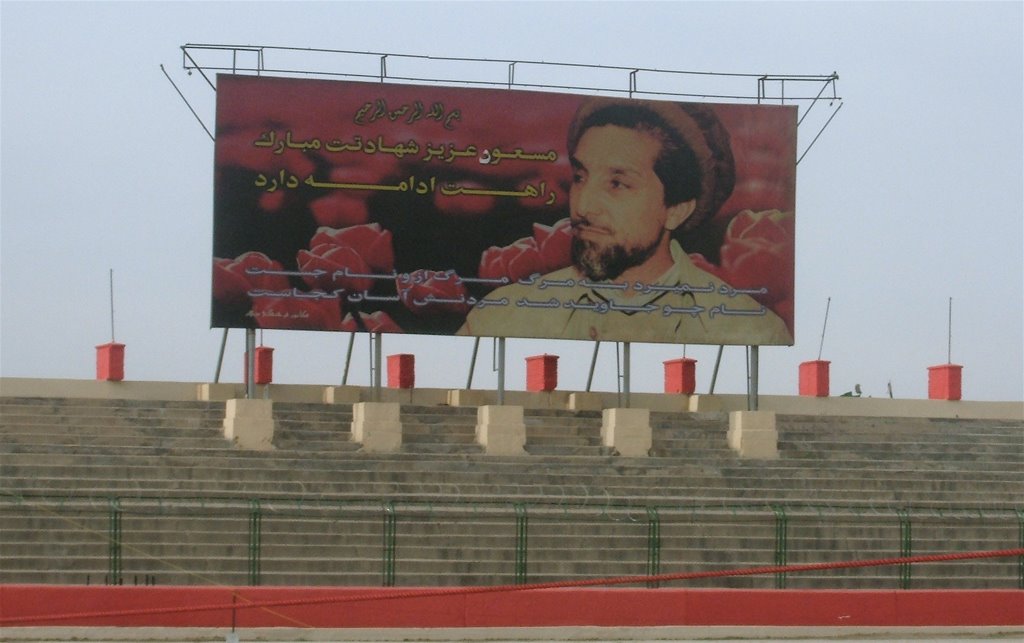
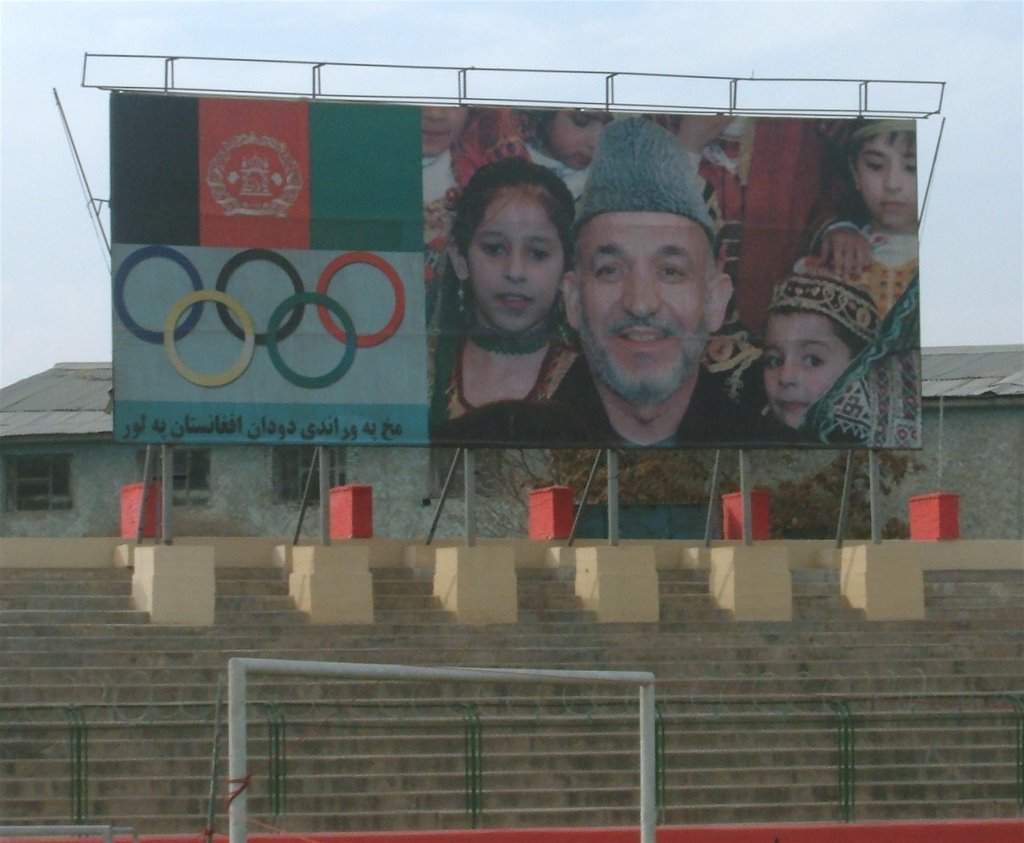
After exiting the plane, the stark airport with its strong military presence was our introduction to Kabul. The landscape leading to the mountains was dry and brown, a slight wind blew around the loose scarf I wore around my head as we walked down the stairway from the plane. We boarded a small bus with a Japanese flag and a "From the people of Japan" painted on the side and it took us to the terminal. A grand sign greeted us, "Welcome to Kabul - Be Kabul Khosh Amadeed." Two billboards sandwich the welcome sign. One displays the face of Hamid Karzai, Afghanistan's president, who looks directly into the camera and dons a calm yet confident expression. The other displays the face of General Ahmad Shah Massoud, the country's beloved mujahideen "freedom fighter," who is sometimes referred to as an Afghan "Che Guevera" and was assassinated a few days before September 11th by two alleged al-Qaida agents posing as Moroccan journalists. Massoud's face is turned in his picture on this airport billboard, humbly looking downward, yet still exhibiting dignity and poise - images of roses cascade around the face of Afghanistan's Massoud.

For a capital of a country, the airport is extremely small, dark and run down. It was the first example of how so many years of war has stunted most modernization of the country. Upon entering, we were swept along chaotic lines of customs and baggage claim. Old men relentlessly approached everyone with pushcarts, insisting to carry luggage for a small baksheesh. My luggage, as well as those belonging to three other women in the delegation, never arrive. Good thing I was wearing my favorite, most sturdy shalwar cameez, for I would end up wearing it for 5 days waiting for my luggage. Also, the weather was quite cold the first few days, and I was grateful that I happened to have some warm layers as well.

Some random man in charge assured me and the others that the luggage would come in 2-3 days. There are no computer tracking systems - only a stack of books with handwritten baggage claim numbers and a ragged piece of paper with pictures of different luggage styles that you can point to in order to help describe your missing luggage. Not much you can do in a situation like this but go with the flow and attempt to keep a sense of humor - which I did my best to do. In the midst of the luggage drama, we meet Najib, our delegation guide. He is a very gentle man in his mid-thirties, with a beard and thick glasses, slightly taller than I. The luggage drama was only the first of the group drama this poor guy was to deal with - but he always proved to handle everything with such patience and kindness.

After Najib does what he can in regards to our lost luggage (which really isn't much), we all head out of the terminal to the outside parking lots. After a military point, we were greeted by Naqibullah, Najib's assistant - a polite, kind, somewhat shy 19 year old - and he assists us to our two small, humble vans . I appreciated the vans' modest aesthetic for the sake of subtlety and inconspicuousness. Once at the vans, we meet our drivers - Farid and Daoud. They, too, are polite and warm, and they were quick to cram our luggage into the trusty vehicles. We proceed to squeeze ourselves in as well and then embark through the city toward the Afghans 4 Tomorrow guesthouse in west Kabul....

Tuesday, March 21, 2006

Thus begins my reflections of Afghanistan...

I have now returned from Afghanistan. I am left copletely in awe, speechless and inspired. My intentions were to update my blog on a regular basis while in Kabul. I was challenged by this for a few reasons. First of all, the jetlag really took ahold of me, as well as my writing and processing abilities. Second of all, we had a limited amount of time at the internet cafe. Lastly, I was so blown away and emotionally moved by what I was experiencing and seeing that no words seemed to give justice to these most inspiring people and organizations that I was so honored to meet. Afghans are so incredibly active in the reconstruction efforts. It was evident in every moment I was there - from the work of the organizations to the humble man, woman, or child within the community who are relentlessly cleaning and rebuilding neighborhoods. Thus begins my reflections of Afghanistan, for both myself, my friends, and for those who were so generous to support this trip. As the rebuilding of Afghanistan is a slow process, so are the unfolding memories of this short time I spent in Kabul. Throughout the upcoming weeks, I will write and describe as best I can my experience in Kabul, Afghanistan.

Thursday, March 02, 2006

The Whirlwind of Leaving

This trip to Afghanistan has been a true test of how hard I am willing to work for something. From gaining my professors' permission to complete the winter quarter 2 weeks early, to taking on the difficult task of fundraising $3500 in less than eight weeks, to keeping ahead in all of my 16 credits of studies ... and now today, the day before I leave, was quite the climax. It began at 5:00 AM (after going to sleep at 2:00). I hadn't crammed enough studies; I hadn't rehearsed my dance composition that I had to present in Dance 101; I had a TV interview to get ready for!!! In the 2 and a half hours I had before needing to get to school, I crammed in as many Farsi words as I could, and repeated the names of Sufi Scholars until it became like a mantra. Two final exams were mere hours away (one in Farsi, one in Islam).... oh, my heart pounded. I get to school at 8:00, present my dance composition at 8:45, get to the KOMO 4 news interview (regarding the trip to Afghanistan) by 10:00, complete that by 10:50, get back to school to take my Islam final exam at 11:30, complete that by 1:30, take my Farsi final exam at 2:30, complete that by 4:30..... and now I sit here 5:30 PM Thursday evening, zoning on this screen like a sleep deprived zombie and realize - oh man! I have to start packing! I leave tomorrow!

Sunday, February 12, 2006


Heather Posted by Picasa